
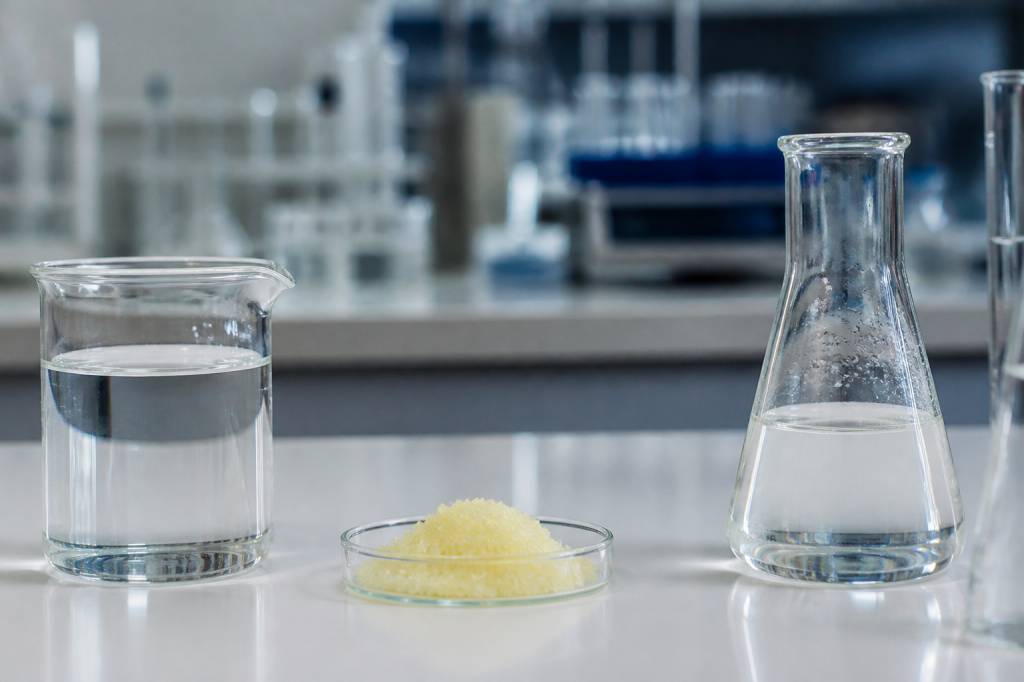

What Is 8-Hydroxyquinoline Sulphate and Why Does It Show Up in Water Treatment?
8-Hydroxyquinoline sulphate is a chemical compound used in several industrial and laboratory applications, including metal chelation, antimicrobial formulations, and certain water treatment processes. If that sounds a little niche, it is — but niche chemicals have a way of becoming very relevant once they enter a water system. And when they do, the question is simple: what does it mean for the water you drink, cook with, or bathe in?
In water treatment, compounds like 8-hydroxyquinoline sulphate may be used for their ability to bind metals or help control microbial growth in specialized systems. In controlled environments, that can be useful. In an ordinary home setting, however, most people do not want residual treatment chemicals lingering in their tap water. The goal is not just water that looks clean. The goal is water that is actually safe, stable, and free from unnecessary chemical exposure.
One important point: the risks depend heavily on concentration, exposure route, and how the chemical is used. Trace amounts in a managed industrial process are very different from repeated exposure in household drinking water. Still, if a substance is used upstream in treatment, it is worth understanding what it is, how it behaves, and whether your filtration system can reduce it effectively.
How This Compound Behaves in Water
8-Hydroxyquinoline sulphate is associated with complexation, meaning it can bind to metal ions. That property makes it useful in applications where controlling metals matters. But the same chemistry also affects how easily it moves through water systems, how it interacts with pipes or treatment media, and whether standard filtration can remove it.
Unlike simple particles that get trapped by basic sediment filters, dissolved chemicals often pass right through unless a filter is designed for adsorption or membrane separation. This is where many households run into a common misunderstanding: a filter that clears water of visible dirt is not necessarily a filter that removes dissolved compounds. Crystal-clear water can still contain chemistry you would rather not drink.
In practical terms, if 8-hydroxyquinoline sulphate is present in water, it may not be stopped by a basic screen-like filter. More advanced treatment may be needed, depending on the concentration and water chemistry.
Potential Health Risks: What We Know and What Matters
Any discussion of health risks should start with a dose-and-exposure reality check. The mere presence of a chemical does not automatically mean danger. That said, the reason people care about water quality is because even low-level exposure can become meaningful over time, especially when the substance is consumed daily.
For 8-hydroxyquinoline sulphate, the main concern is not that everyone will feel an immediate effect after a glass of water. The concern is more about repeated exposure, possible irritation, and the broader uncertainty that comes with unwanted treatment residues in drinking water. Some compounds in this family may cause adverse effects if ingested in sufficient amounts or if exposure occurs over long periods. Sensitive groups — children, pregnant people, older adults, and individuals with chronic health conditions — may be more cautious for good reason.
Potential concerns often discussed for chemicals used in water treatment include:
- Gastrointestinal irritation if ingested in high enough amounts
- Potential interactions with metals or other compounds in the body
- Unknown long-term effects when exposure is chronic and low-level
- Higher sensitivity in people with compromised health or lower body mass
It is also worth noting that risk is not only about toxicity in a textbook sense. Water treatment chemicals can become a trust issue. When homeowners discover that a treatment agent may be present in their water, the immediate reaction is often: “Why is this here at all?” That is a fair question. If a compound is not meant to be consumed, then the safest path is usually reducing it as much as reasonably possible.
Why Standard Water Treatment May Not Be Enough
Many homes rely on a pretty standard setup: maybe a sediment pre-filter, maybe a carbon cartridge, and perhaps a softener. Those systems can do a lot of good. But they are not universal problem-solvers.
If 8-hydroxyquinoline sulphate is dissolved in water, a sediment filter will not capture it. Granular activated carbon can sometimes reduce certain organic compounds, but performance varies widely depending on the chemical’s structure, concentration, contact time, and the quality of the carbon media. In other words, “carbon filter” is not a magical phrase. Some carbon filters are excellent; some are basically expensive pipe décor.
Reverse osmosis, activated carbon block, and certain advanced adsorption media are far more relevant when dealing with dissolved contaminants. But even then, effectiveness depends on proper system design and maintenance. A worn-out membrane or exhausted carbon cartridge may provide a comforting appearance while doing very little actual work.
That is why it is important to match the filtration method to the contaminant, not just the marketing label on the box.
Filtration Solutions That Can Help Reduce 8-Hydroxyquinoline Sulphate
If testing or a credible water report suggests the presence of 8-hydroxyquinoline sulphate, the next step is not panic. The next step is choosing a treatment strategy that actually fits the problem.
Here are the most relevant filtration approaches:
- Activated carbon block filters: Better than basic sediment filters for many organic compounds, especially when the carbon density is high and the contact time is sufficient.
- Granular activated carbon: Useful in some systems, though generally less consistent than carbon block for smaller dissolved contaminants.
- Reverse osmosis systems: Highly effective for a broad range of dissolved contaminants, including many organic molecules, because they use a semi-permeable membrane.
- Specialized adsorption media: Certain resins or tailored media can target specific chemical families more effectively than general-purpose filters.
- Distillation: Can reduce many dissolved contaminants, though it is slower, energy-intensive, and not always practical for everyday use.
For most households, a well-designed reverse osmosis system paired with carbon pre- and post-filtration is one of the strongest options. Why? Because it addresses both dissolved compounds and taste/odor issues. If your water has a chemical residue concern, you want a system that does more than improve the vibe.
That said, reverse osmosis is not automatically the best answer for every home. It wastes some water, may require remineralization depending on preference, and needs regular maintenance. If the concern is localized or limited to certain water uses, a point-of-use solution under the kitchen sink may be enough. If the issue affects the whole house, point-of-entry treatment may deserve a closer look.
What Makes a Filter Effective Against This Kind of Contaminant?
When evaluating a filter for a dissolved chemical like 8-hydroxyquinoline sulphate, look at performance rather than promises. A reputable product should provide clear data, not vague language about “purity” or “advanced technology.”
Key factors to consider include:
- Certified performance: Look for independent certifications or third-party testing relevant to the contaminant class.
- Filter media: Carbon block, RO membranes, and specialized media are more relevant than plain sediment filtration.
- Contact time: Water needs enough time in contact with the media for adsorption or separation to occur.
- Capacity: A filter must be able to hold and reduce contaminants before it becomes saturated.
- Maintenance schedule: Even the best filter fails when ignored. Water systems are a lot like toothbrushes: the tool matters, but so does replacing it on time.
If you are comparing products, do not stop at “removes chemicals.” Ask which chemicals, under what conditions, and according to which test standard. That level of detail is where real protection begins.
How to Know If Your Water Might Be Affected
Most homeowners will not know whether 8-hydroxyquinoline sulphate is present unless they test the water or receive a detailed report from a supplier, facility, or local authority. If your home is connected to water influenced by industrial, agricultural, or specialized treatment processes, it is reasonable to ask for clarity.
Useful signs that water deserves closer attention include:
- Recent changes in water source or treatment method
- Nearby industrial or laboratory activity
- Unusual taste, odor, or residue issues
- Official notifications mentioning specialty treatment agents
- Persistent uncertainty about what is actually in the water
Testing is always better than guessing. A certified lab can help identify whether this compound is present and at what level. In many cases, that single data point makes it much easier to choose the right filter and avoid overspending on the wrong one.
Practical Steps for Safer Drinking Water at Home
If you are concerned about 8-hydroxyquinoline sulphate or similar treatment residues, a simple action plan can make the process manageable.
First, verify the source. Check water quality reports, ask your utility, or get a professional lab test if the risk is plausible. Second, identify whether the issue is specific to drinking water or affects the whole home. Third, select a filtration method matched to dissolved organic contaminants, not just particles.
For day-to-day use, consider this sequence:
- Test the water if there is a reason to suspect contamination
- Choose filtration based on the contaminant type
- Prioritize systems with transparent performance data
- Replace cartridges and membranes on schedule
- Retest periodically to confirm the system is still doing its job
This may sound like a lot, but most of it becomes routine once the right system is installed. The real win is peace of mind: knowing your water treatment is working for your health, not against it.
Why Maintenance Matters More Than People Think
There is a common trap in home water treatment: buying a good system and then forgetting about it. Filters do not improve with age. They saturate, slow down, and eventually stop being useful.
For a compound like 8-hydroxyquinoline sulphate, an exhausted carbon filter may no longer offer meaningful reduction. A reverse osmosis membrane with poor pressure or delayed replacement can also lose performance. In both cases, the system may still look fine from the outside. That is the sneaky part.
Maintenance basics include:
- Replacing cartridges on time, not “when you remember”
- Checking flow rate and pressure changes
- Following the manufacturer’s flush and sanitization instructions
- Keeping a simple replacement log
- Testing output water occasionally to verify performance
A well-maintained filter is one of the most underrated health tools in the home. It is not glamorous, but neither is finding out your “trusted” filter has been expired for six months.
Choosing the Right Approach for Your Household
The best filtration solution is the one that fits your water, your budget, and your habits. A family relying on municipal water with a documented specialty contaminant may need a different setup than a household on a private system with intermittent concerns. There is no universal winner.
As a general guide, use this logic:
- If the concern is mild or uncertain, start with testing and a high-quality carbon block system.
- If the contaminant is confirmed and dissolved, reverse osmosis is often the most robust point-of-use option.
- If the issue is broader or recurring, consider whole-house assessment and professional guidance.
- If you want maximum confidence, combine treatment methods rather than relying on one weak barrier.
Water quality is never just about one chemical. It is about the whole picture: source, treatment, distribution, filtration, and maintenance. That is why the smartest home setups are usually the ones built with both science and practicality in mind.
In the end, 8-hydroxyquinoline sulphate is a good reminder that water treatment chemicals should be treated with care, not convenience. If a compound enters your water system, the right response is to understand it, measure it, and remove it with a method that actually works. Clean water should not require blind faith. It should be the result of good information and the right filtration choice.